
Budhnu
Budhnu
Read more →The reality makes me question why do I even write
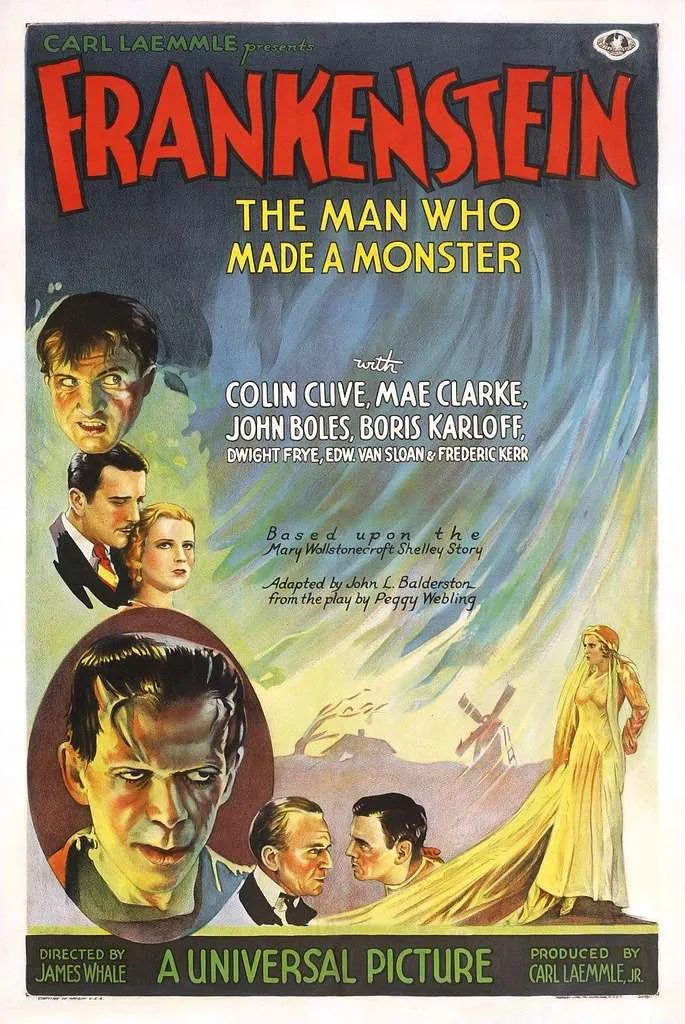
After years of steadfastly stopping myself from binge-watching television (childhood diktat still-in-force: TV is a waste of time/an idiot box/useless/makes one a moron, but reading makes a person knowledgeable), I well and truly fell for it this June. It’s unbelievable but true that I hadn’t watched a single TV-series in my life. Since then, I’ve watched four C-dramas back-to-back, consuming the 2025 thriller series Mobius in just four days over the festive holidays last month. As a writer, it is more of a sin to watch television, because it is akin to passive reading. Why was I wasting precious spare time on TV-watching? Here I plead guilty — I’m thoroughly ruined. Small consolation that Mobius (named after the German mathematician and astronomer August Ferdinand Möbius who devised the Möbius strip, a non-orientable surface where one cannot consistently distinguish clockwise from counterclockwise turns, alluding to boundary-less loops) is a sleek, high-quality production, where the lead experiences multiple “loop days”, meaning he can live the same day again and again. I was, admittedly, fascinated with the idea, and the premise itself worked as a bait. I watched Mobius spellbound. Next morning, my mind was obviously playing games, asking me: Why do I even write? This had something to do with certain figures I found out online. So brace for a comparative data: Mobius is in Mandarin with English subtitles. It is set in some part of China. It doesn’t make any effort to “get global.” Yet, Mobius surpassed 300 million views within a week of release. For comparison, the English-language novel Sunrise on the Reaping by Suzanne Collins is a bestselling book of 20251. It’s a prequel to the Hunger Games series, and sold just 1.5 million copies worldwide in its first week after its March 2025 release. In October 2024, Han Kang’s books sold over 1 million copies2, at what was declared, an “unprecedented rate” following her Nobel Prize in Literature win. Compare: Mobius’ viewership of 300 million is not even close to a “record” for C-dramas (highest have viewership numbers of 15 billion).
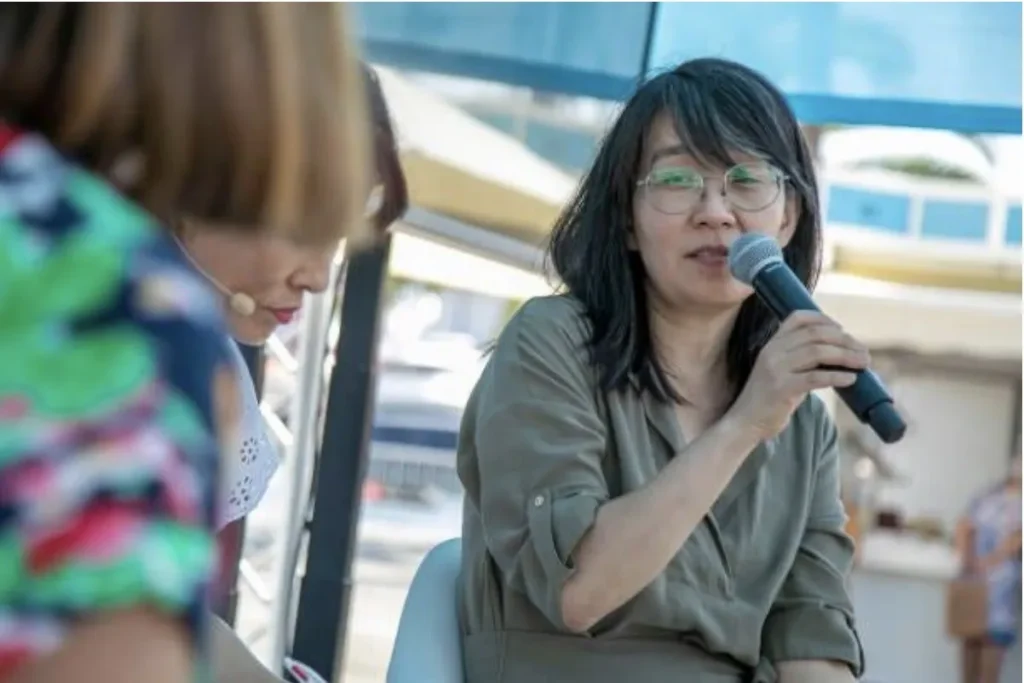
Getty Images: Han Kang; Catalonian Book Fair 2023
And we are not even going into how these figures translate into cash.
Well, as a writer, this info was, admittedly, devastating. What are we even doing?
Writers, of course, don’t want to hear any of this. And I am no exception. I love what I do. Write. Write. Write. The pleasure of getting those words out, and into the world, is unparalleled. As many have said before me, even if one person reads my work — that is worth it.
However, one plunges into the dark well of doubt: Is writing catching up with what readers want? Do writers keep abreast of how tastes are changing, and how preferences are evolving? OR, are writers merely writing for themselves (“themselves” meaning fellow writers, and by extension, the comparatively tiny, writing community)?
The answer is a can of worms and super controversial.
Either way, it is difficult to reach out to someone in the crowd who’s only passively inclined to actually pick up a book and read. I mean, when they’ve an exponential amount of entertainment to choose from, why bother reading at all? Reading demands focus, imagination, and often times, even interpretation. The reader has to engage with the text to create meaning. But, a film or series need not require that equal amount of focus or engagement. For example, I can watch a movie and talk to a friend too — but reading requires undivided attention.
What about the promotion/accessibility? Here too, we fail. Reading is still considered an elitist activity in many parts of the world. With all the modern devices of promotion and accessibility, a great piece of literature will never reach the people who most need it. But a movie might. Further, TV content is often shorter or faster-paced, tailored to suit modern attention spans. Books, on the other hand, might get the promotion right, and people may have “heard” about the book, but they’ll never get around to reading them, because reading needs time commitment.
Again, books are often overpriced, and only a person with some educational background will actually have a taste for books. This dedication and sustained concentration are harder to maintain in today’s fast-paced, multitasking world.
Looking at this problem in all practicality, writing and reading simply cannot engage as many senses as TV or a movie does. The audio-visual medium is glitzier and more glamorous and gives a viewer a complete experience. Watching film or TV is also, often times, a community experience — we are rarely alone. On the other hand, reading is solitary. Even though we may be leading a solitary, fast-paced life, we want to be seen as being social and friendly.
Also, as has been publicly feared — is it true that writers are churning out less engaging work?
In September, Roddy Doyle seemed to doubt the very process of the Booker Prize, of which he is the chair of the judging panel.
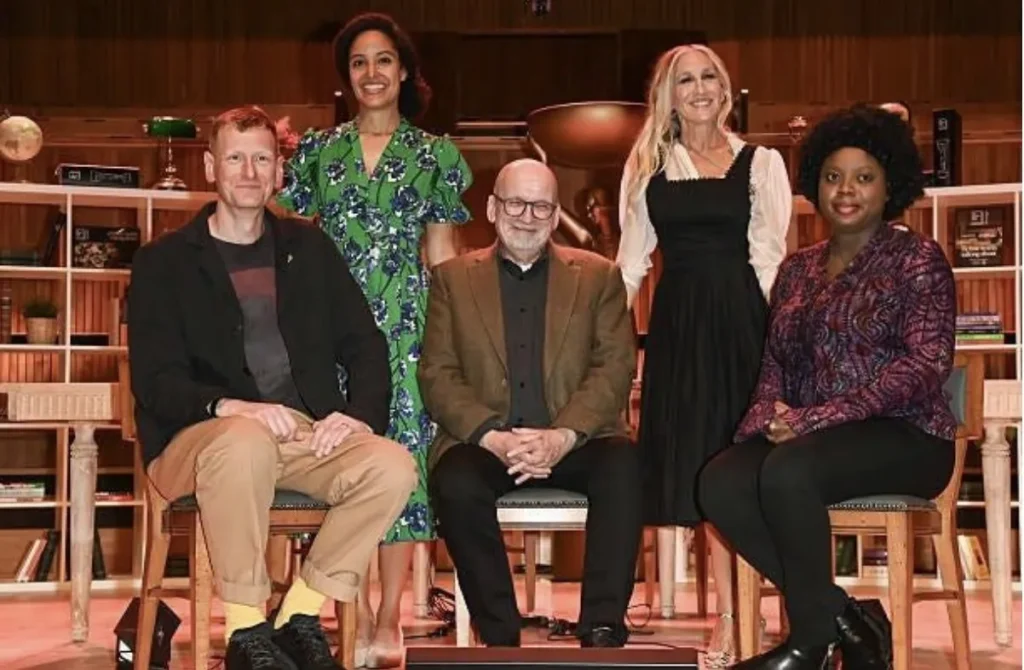
Getty Images: Booker Prize 2025 Shortlist Announcement — Photocall; London; September 23
Doyle reportedly3 described most of the novel submissions for the prize as “terrible.” People have interpreted this as a criticism of the state of contemporary literary fiction — of literature having become too conservative and predictable. However, his comments were also seen as an honest assessment during a period where judges read over 150 submissions.
This aspect of contemporary writing and literature is extremely shocking. Some have even blamed it on the self-publishing boom of the 2000s and even the use of AI.
So, whatever be the case, it is perhaps time that we writers, as a community, take a hard look at things, and course correct before it is too late.
FOOTNOTE:

Mandira Pattnaik has work in The Cincinnati Review, The Rumpus, IHLR, Emerson Review, Best Microfiction (2024) and BSF Anthologies (2021, 2024). Longlisted in Commonwealth Prize 2025, she writes across categories/genres. Her books include “Glass/Fire” (2024), “Girls Who Don’t Cry” (2023) and “Where We Set Our Easel” (2023).