
Usawa has been publishing since 2018. Below is an archive of our past submission calls — the themes, the questions, and the writing that opened each issue. Submissions for these issues are now closed.
Witness
Winter Issue · January 2026
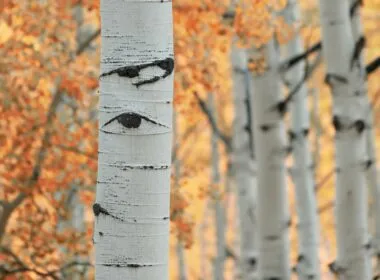
Someone is always watching. Is it you, or someone else? Sometimes it’s the eyes of a streetlamp, a neighbour at the window, or the phone you forgot was switched on.
To witness is to know something you cannot unknow. It is not just seeing. It is also remembering, archiving, and re-remembering. What do you intend to do with that knowledge? Sometimes we surrender to the archive. Sometimes we resist it. Sometimes we become it.
History depends on witnesses. So does the present. What do you see, and what does your account leave out? Do your words belong to those who did not survive? Did you weep at an act of kindness? Which stories will you carry into tomorrow?
Mahasweta Devi’s dispossessed, Saadat Hasan Manto’s Partition, Agha Shahid Ali’s homesickness, Bessie Head’s exile, and Han Kang’s tenderness refuse erasure, reject silence. In their works, witnessing is an act of love and a form of resistance — literature at its most necessary.
We invited fiction, nonfiction, poetry, translations, visual narratives, book reviews, and interviews that bear witness. And for the first time, we asked for speculative writing — because if not now, when?
Memories of the Future
Summer Issue · June 2025
Isn’t premonition memory of the future? Did Proust say writers have a blurred memory of things they do not know?
— Memory, Priya Sarukkai Chabria, Calling Over WaterTime flows linearly. We move forward and then memories sneak up and take us back — or rather, bring to the present what once was. And in dreams instead of falling downwards, the sand in our hourglass may rise. We remember the future, don’t we? Or is it only writers who do?
All memory is imagination. All dreams are — well, dreams. Imagining, dreaming, and remembering by their very nature resist censor. Are they acts of resistance then? Writing in their language must be too.
When we mine your dreams tomorrow, what would we find?
North-East Special
Matchbox by Usawa × The Little Journal of Northeast India · May 2025

Matchbox by Usawa and The Little Journal of Northeast India collaborated for a special issue focused on literature on, from, or about the North East of India. We were especially looking for translations, artist profiles, writings about other art forms such as film, music, and craft, and writing from and about communities that are not often represented in mainstream Indian literary publishing.
For the issue, we read poems, flash fiction, art essays, standalone pieces, photo essays, book reviews, and personal essays. The issue was a celebration of the literary and cultural richness of the North East — and a commitment to amplifying voices that deserve wider hearing.
Gender and its Discontents
December 2024
Gender is perhaps one of the most naturalised — and hence most problematic — of the strands that make our social identities. When intersected with class, caste, or sexual orientation, gender provides us with a powerful lens through which to examine how power moves, who it rewards, and who it erases.
We invited contributions that interrogate what gender means: how it intersects with class, caste, and sexuality to influence lived realities; how different cultural contexts shape gendered experience; what it means to exist outside the binary, or inside it with full knowledge of its constraints.
We asked writers to rummage through memory, parse popular culture, reflect on contemporary socio-political developments, and critique through fiction, poetry, essays, interviews, and reviews. The personal is political. The political is personal. We wanted both.
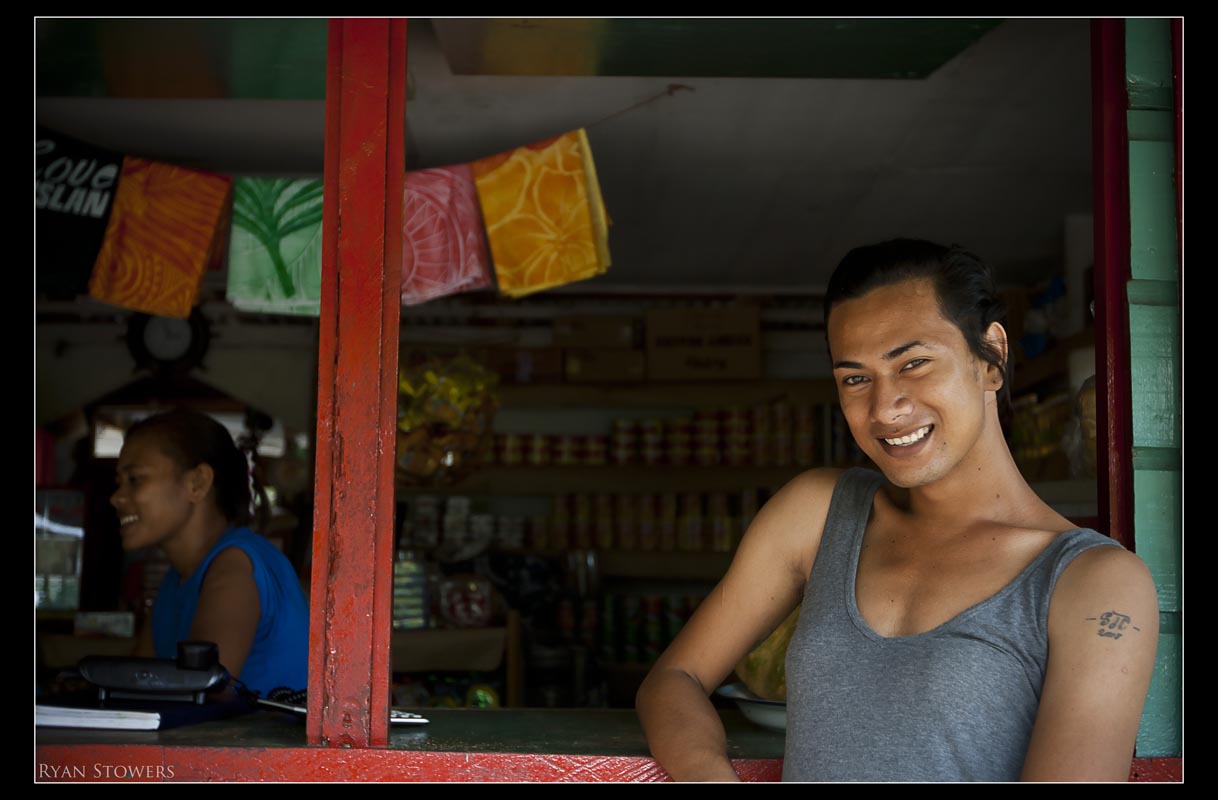
Cover photograph by Ryan Stowers. Fa’afafine — taken in Faleapuna at a roadside shop. Fa’afafine (translated: “in the manner of a woman”) are natal males who align with a third gender or gender role in Samoa.
The Body
2023
You might be familiar with one of these sentences: As Gregor Samsa awoke one morning from uneasy dreams he found himself transformed in his bed into a gigantic insect. Or: It was a bright cold day in April, and the clocks were striking thirteen. Or perhaps: Call me Ishmael.
The body is where literature begins — where consciousness meets the world, where pain and pleasure and memory are registered, where identity is written and rewritten. For Issue 10, we asked writers to engage with the body in all its complexity: its politics, its intimacies, its rebellions, its failures, its capacities for joy.