
Can We Love the Art But Hate The Artist?
The discussion probes whether artistic creation's integrity can withstand profound ethical compromise…
Read more →Rawat foregrounds the intellectual tension inherent in challenging hypermasculine societal norms and institutional hypocrisy, urging direct engagement with systemic flaws.

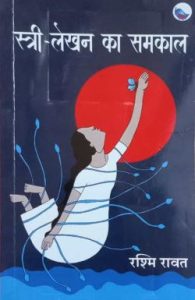
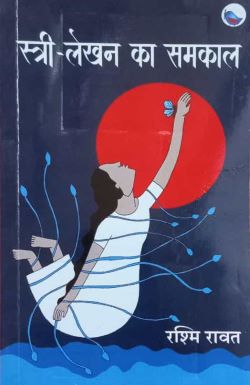
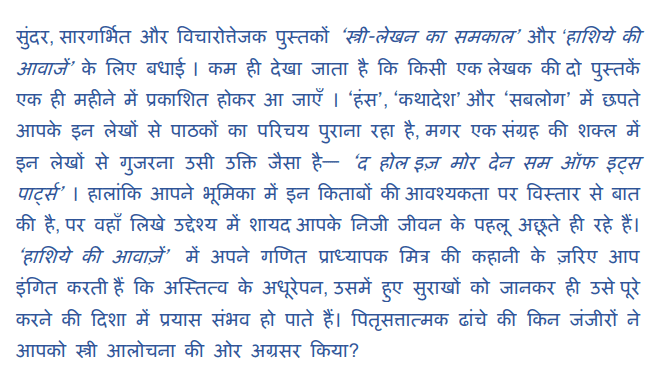
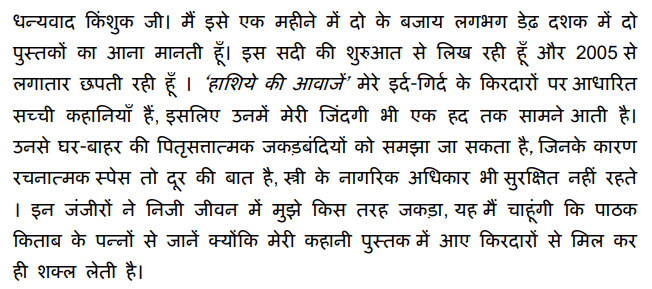
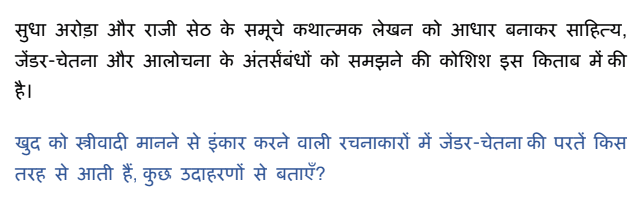
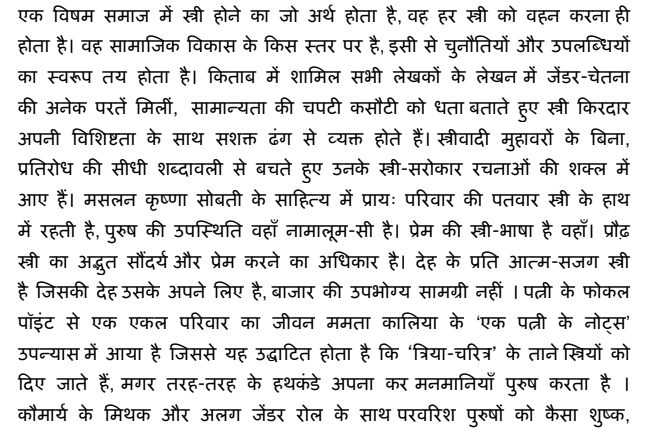
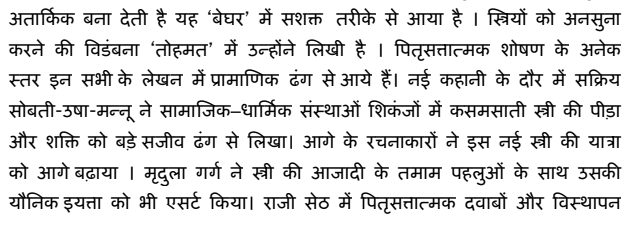
Rashmi Rawat teaches Hindi at Delhi College of Arts and Commerce, D.U. She is an acclaimed critic who has two books to her credit: Stree-Lekhan Ka Samkal (Aadhar Prakashan) and Hashiye Ki Awazen (Bodhi Prakashan). Her monthly columns at Hans, Kathadesh and Sablog are immensely popular among readers. In such a condition—as her foreword in the book Stee-lekhan Ka Samkal asserts—women writers are often sidelined, their works gauged only with a tunnel vision. Stree-lekhan Ka Samkal, then, in a way, becomes Rawat’s way of resistance as she interprets and re-interperts the works of doyens of Hindi literature including Mridula Garg, Usha Priyamavada, Krishna Sobti, among others.
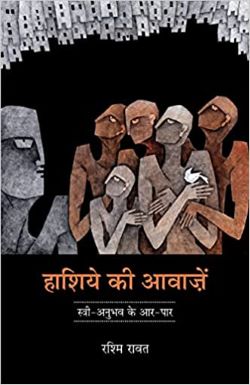
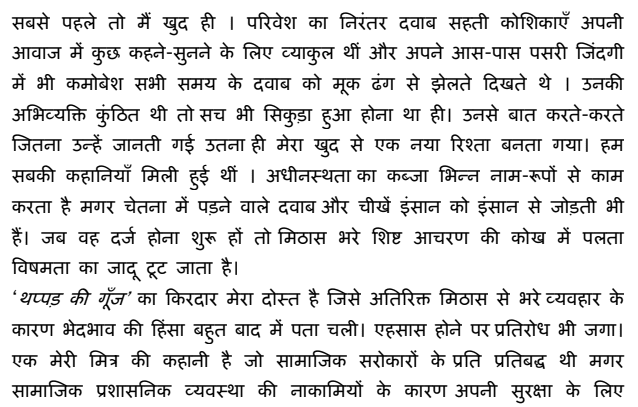
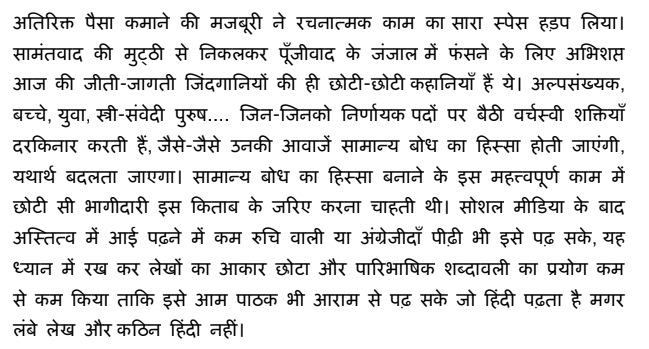
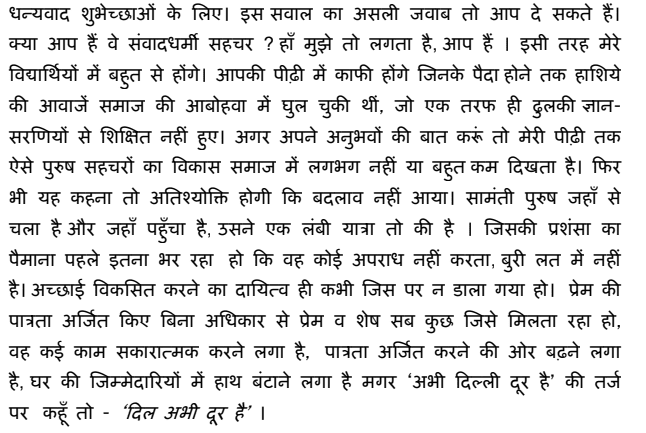
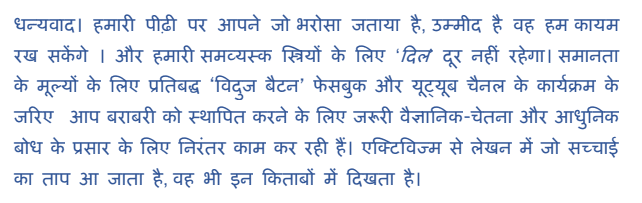
In Hashiye Ki Awazen, her second book by Bodhi Prakashan, the flawed society and its hypermasculine ways of functioning finds layered mentions. Often subtle, and perhaps slightly irritated and helpless, but never with a sense of disdain, she talks about various situations that have affected her and the people around her. In one of the essays, she is talking about the monopoly of male critics; in another, she is talking about how a Maths professor who is first blamed, and later terminated, for not coming to the college on Fridays— not because of his absence, but because his colleagues don’t themselves come in the lure of a longer weekend. By the end, one also feels the empathy with which Rawat writes, and her firm belief that society can function better if we were to look at the loopholes and find ways to work through them rather than brushing them under the carpet and thinking that that is how it ‘works.’
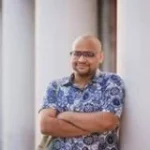
Kinshuk Gupta is a doctor, bilingual writer, poet and columnist who works at the intersection of gender, health and sexuality. His debut book of short fiction, Yeh Dil Hai Ki Chordarwaja, modern Hindi’s first LGBT short story collection, was published to great critical acclaim in 2023. He is the winner of prestigious awards and fellowships including the India Today-Aaj Tak Sahitya Jagriti Udayiman Lekhak Samman (2023); Akhil Bhartiya Yuva Kathakar Alankaran (2022); Dr. Anamika Poetry Prize (2021). He has been shortlisted for the Toto Awards for Creative Writing (2023); The Bridport Prize (2022); Srinivas Rayparol Poetry Prize (2021); All India Poetry Competition (2018). He edits poetry for Jaggery Lit and Mithila Review. He has been awarded the prestigious South Asia Speaks 2023 Fellowship to work on his poetry manuscript with Tishani Doshi.