
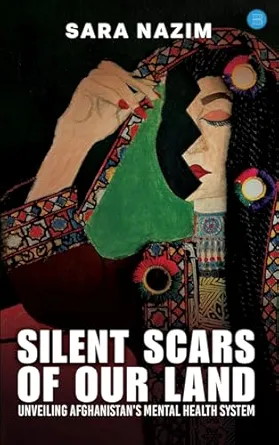
This powerful and deeply personal book opens a rare window into life in Afghanistan — its breathtaking beauty, daily struggles, and the remarkable resilience of its people. Sara places mental health at the centre of her narrative, a subject so often overlooked, especially in times of war, conflict, and crisis.
Through real stories, reflections, and lived experiences, she gives voice to the pain so many Afghans carry, particularly women and children, and shows how they cope with trauma, loss, and change. She also explores the roles of faith, education, and mental health professionals in building hope and resilience in communities that have endured so much.
What makes Silent Scars of Our Land by Sara Nazim, stand out is its balance. It is unflinching in its honesty about suffering, yet deeply respectful in showing the unbreakable spirit of Afghans. It reminds us that their story cannot and should not be reduced to headlines of tragedy alone, but must also be seen through the lens of courage, endurance, and humanity.
Above all, this book is a call to empathy and understanding. It asks us to listen more closely, to recognise the hidden scars of conflict, and to honour the incredible strength of people who continue to survive and rebuild despite unimaginable circumstances.
I highly recommend this heartfelt and necessary read to anyone who wishes to understand Afghanistan beyond the surface, and who values resilience, compassion, and the importance of mental health in times of crisis.