
✨ LATEST ISSUE •
From
Queer Unfiltered – Emotions, Moments & Journeys
Beloved
Born in Kanpur, raised in Lucknow, and nurtured in a heteronormative household, I grew up with an idea of life that seemed already decided for me. In the absence of familiar and reflective queer experiences, I developed a reductive understanding of myself, shaped
largely by the values of others. It was through a series of relationships and encounters that
this understanding began to shift. With each experience of love, intimacy, loss, and belonging, I found my identity queering.
Beloved is a work-in-progress moving-image project that traces some of these formative experiences. It is a semi-autobiographical exploration of how love can alter identity and how intimacy can transform our understanding of ourselves and the spaces we inhabit. One of
these experiences was an intimate relationship that gradually became unsafe, entangled with expectations of masculinity, secrecy, and domestic violence. Its aftermath left me guarded and uncertain about intimacy, safety, and the possibility of home.
In October 2023, I moved to Gurgaon with three strangers. I had become accustomed to solitude; after the relationship, comfort meant being alone, and I had learned to wear silence as a form of protection. I was wary of them, and perhaps more wary of myself. They wanted to know me, but I was still in hiding. Slowly, the house began to undo that distance. It was not through any grand declaration of friendship, but through the ordinary intimacy of living together, stories repeated over meals, arguments over rice, late-night conversations,
laughter, irritation, and care. Kapil, in particular, persisted through my silence; by listening to my stories, she drew out a softness I had been trying to bury. What began as cohabitation became a space in which I could be difficult, vulnerable, ridiculous, affectionate, and simply myself. Somewhere along the way, the people I had moved in with became my family, not by birth, but by recognition.
“You know, it’s quite a job starting to love somebody. You have to have energy, generosity, blindness. There is even a moment, in the very beginning, when you have to jump across a precipice: if you think about it, you don’t do it.” Now I think about it all the time. I was at a precipice again, starved, so I jumped.
On 2nd October, 2023,
I moved to Gurgaon with three strangers.
Rahul says in the beginning, I was stoic; I would hardly say anything to anyone in the flat. He thought I was crude, an egoist maybe, but he was not entirely wrong. I was in hiding, hiding from myself; it was weird to find myself amongst these strangers, at a time when comfort was solitude and familiar. To cope, I wore my strength on the outside; I wanted to be perfect, so I became silent, what’s more impenetrable than silence. They wanted to get to know me, and all I could think of was my safety. I was hypervigilant; I was on the lookout. The eye that sees everything cannot see itself.
With Kapil, he heard me despite my muteness; it felt like he had made a pact with me in my head that he would be there for me, “a kindness is without any hope of returns.” He wanted my story. With each story, he uncovered my softness, sought it through, pulled it over to the surface, which I so desperately wanted to hide from, bury it within forever. I believed in my fragility a bit too much; even in the depths of the turbulent ocean waters, he did not give up on me until his feet touched the ground and brought me back to life. Baptised in queer love. That day, I decided to let go of the stone anchored to the depths of my chest. I have now what they call a family. Don’t get me wrong, I have parents, but I have just not taken birth from them yet.
Kapil tells a story like a Renoir movie talks with its camera; it’s dazzling, but always with a specific purpose. When she talks, I want to listen. Today, she is my co-conspirator, my co-creator, my concubine to laughter and, of all things, joy, a raconteur. Together we chase pretty men like children chasing butterflies. There is a lot of her in me; she is my mother, and I can cry out my tantrums, make faces and say the wrong thing. I don’t have any memories of doing the same with my mother; it’s not that she doesn’t love me, but her love doesn’t know me yet. But Kapil does.
If Kapil is my mother, Rahul Bhaiya fills the vacuum an absent father can create. He enjoys narrating funny reels on Instagram, just like my father. However, unlike my father, brevity doesn’t serve Rahul well. He speaks like he’s addressing a distant army across a battlefield; I admire the commitment, but my eardrums have started to pray for peace. I love him nevertheless; after all, all this started with him. He says, “A lot of things have to go right for a good thing to happen,” and I agree, Bhaiya, this house is a very good thing.
Rahul Bhaiya is a breathing example of what the other world does to a man, born homo with hetero tendencies, a straight man trapped in gay desires. That’s no small feat; it is a journey all boys have to take, some give up midway, some find refuge in hiding, and some, like Rahul, press forward, finding strength in places no one taught them to look. He is truly gay where it matters, in spirit, in heart, in defiance. You can’t exist in this world until you exist in someone else’s; there is no song in this world that can’t be sung by two. There are a few songs which only Rahul and I can sing, off-key, imperfect, ours.
Like any family, this family is not complete without the children. Sparsh, the sex-positive sibling: when I look at him, I see innocence. I used to remember having the very same innocence and the places it has taken me to; he is full of wonder, and concerns are casual for him, and I resent the lack of it in me. I feel for him. The youngest amongst all, maybe a bit too vivacious to my taste. The gap between us is not a divide to conquer, but a quiet testament to what we cannot share. It’s a generational Grand Canyon.
Person X, on the other hand, is another Gen Z kid, slightly older than Sparsh, but way beyond in years. People pleasers do not like conflict; they close their eyes, hide behind those lids, and pretend it doesn’t bother them. Person X is not one. During my initial days in this house, when I was not familiar with the house rules, I blame Kapil, I saw two cookers of rice, they both looked the same, but I ate rice which didn’t belong in my mouth. Person X grabs hold of me in the kitchen and says,
“Eat your own rice, Bitch, this was meant for me.”
“I am sorry, I didn’t realise there were two different kinds of it.”
“There is a difference, and you should know.”
“I didn’t see any labels; maybe you should mark your territory first before you accuse people of encroachment.” I walked away.
Person X can be a mean kutti. But now I see her better, a baby gay going through puberty; what others think of as tantrums is an act of assertion of her individuality. In a world where obedience is the norm, defiance is heroic. I remember the night the flatmates had organised a party. When I came back home late from work and the party was over, I could sense their disappointment in me, but Person X was not; she poured me a fine glass of wine, and as she kept his head on my thighs, she asked the juiciest questions. The warmth of his head on my thighs reminded me that I was not cold yet. Her questioning never feels like interrogation; interrogation is his love language. But don’t you dare usurp her rice.
I grew up with a belief that there is no one like me, even in someone’s imagination; that’s how lonely a place it can be. But today, 32 years later, after three heartbreaks and two partners, I feel closer to this force that I am. I don’t remember hating myself; my hatred was preservatory. It protected me from experiencing my full self. After coming to this house, I see what acceptance looks like. Embracing another human means you don’t discard morality, but you look beyond it.
When there are no traces of our existence in this world, there are still memories of others to help us build the traces of our life, a family of choice.
In this house,
I see the world in my arms,
Not in the corner of my eyes,
irking, anymore.
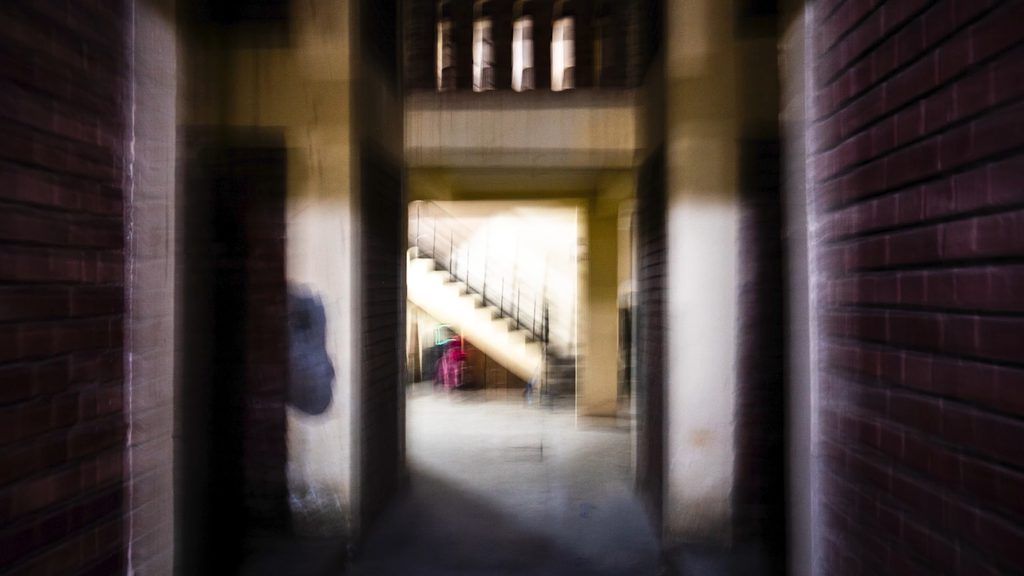
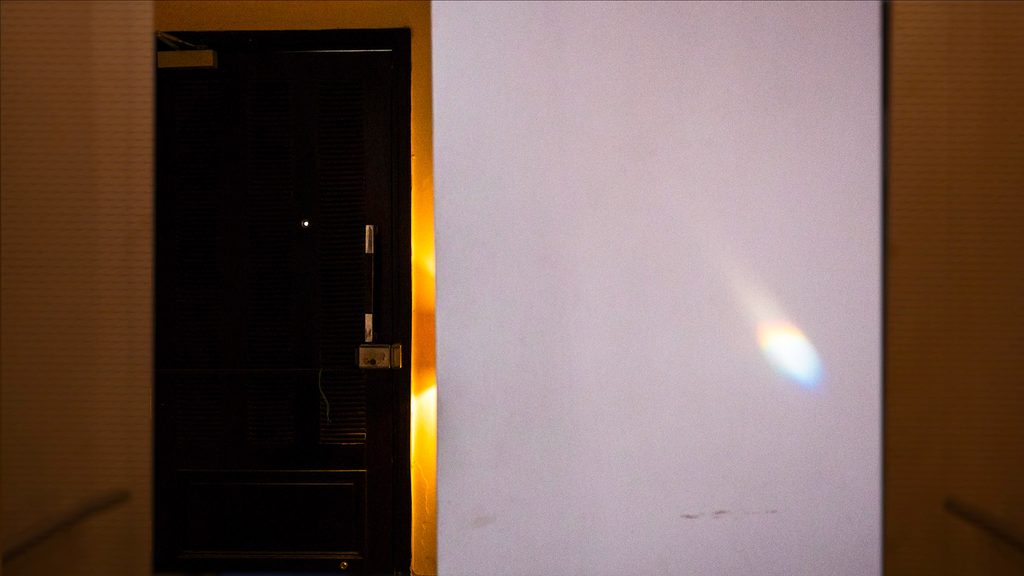
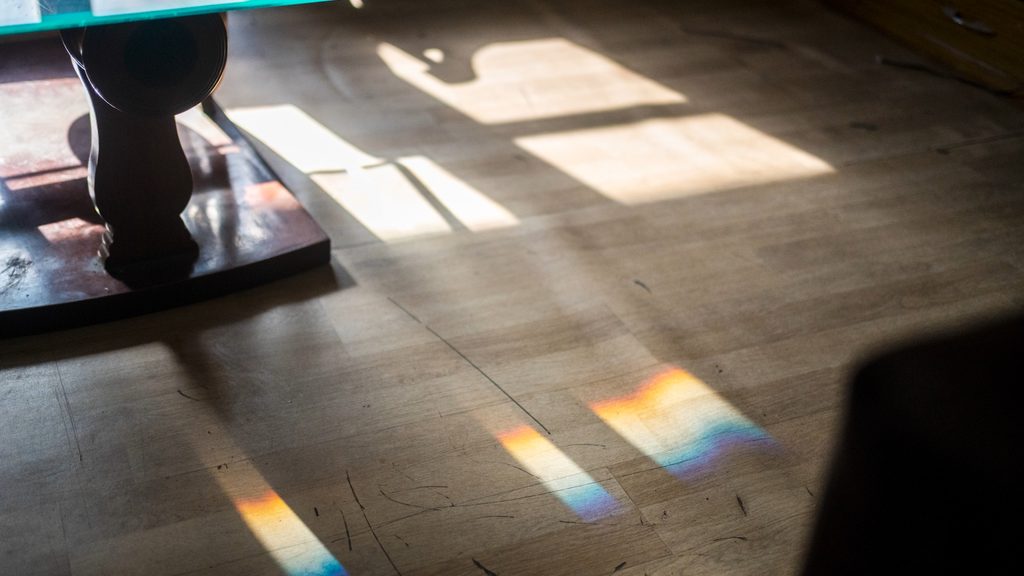
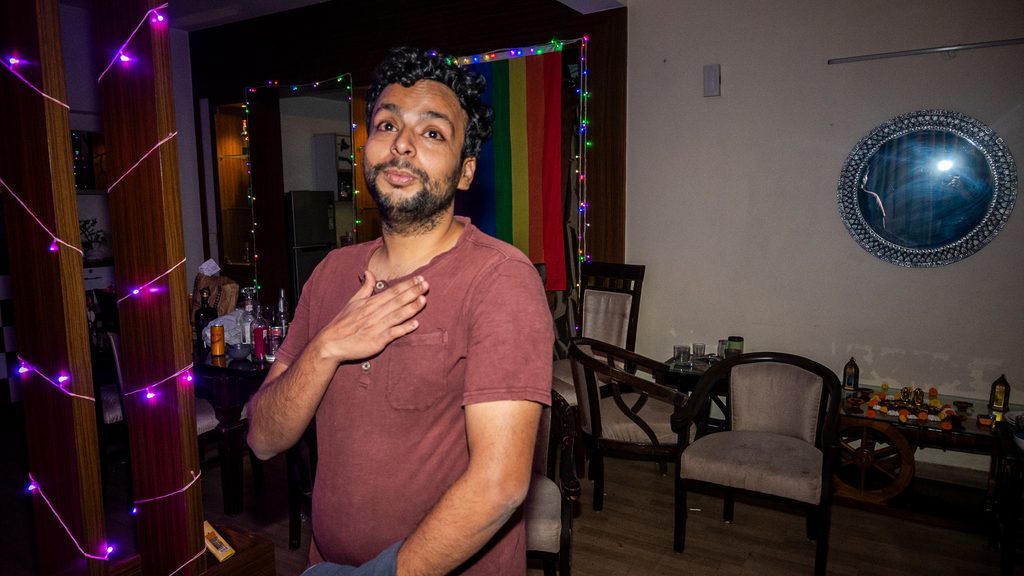
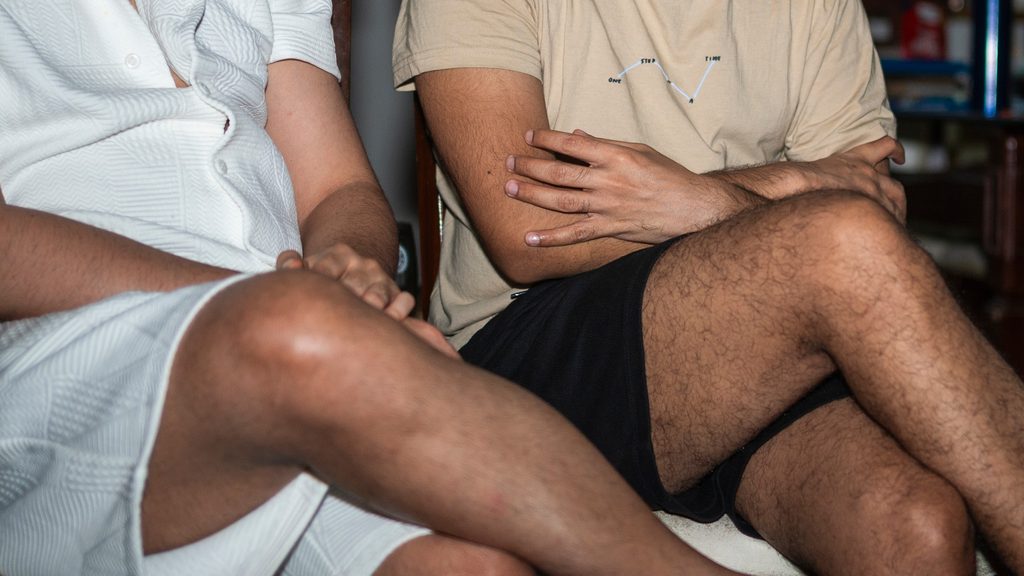
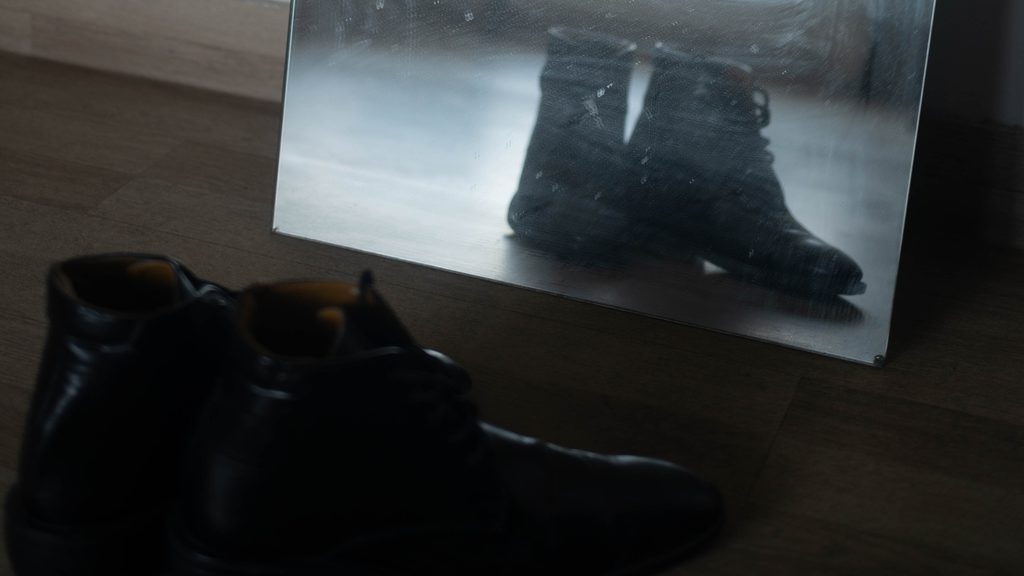
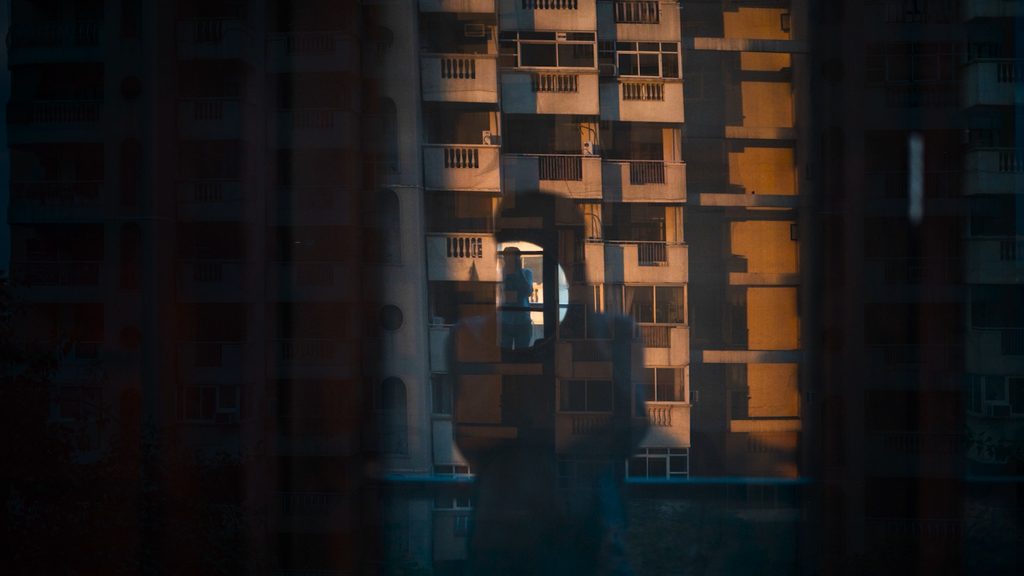
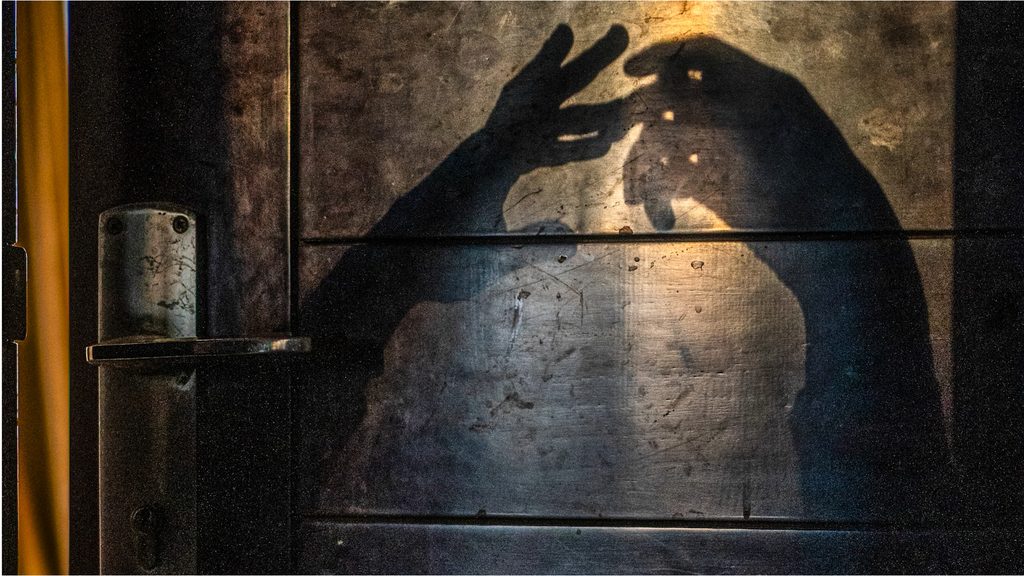
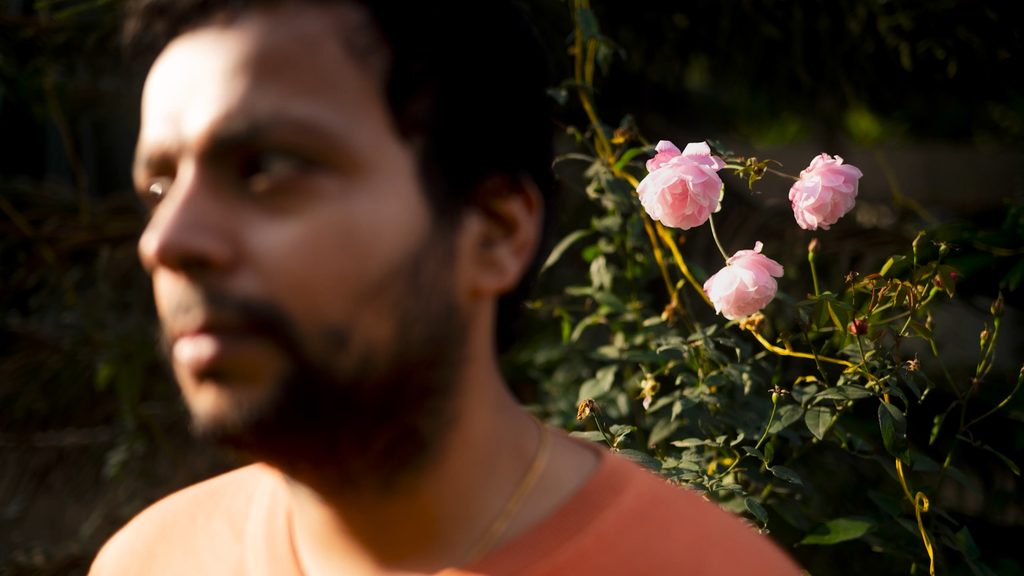
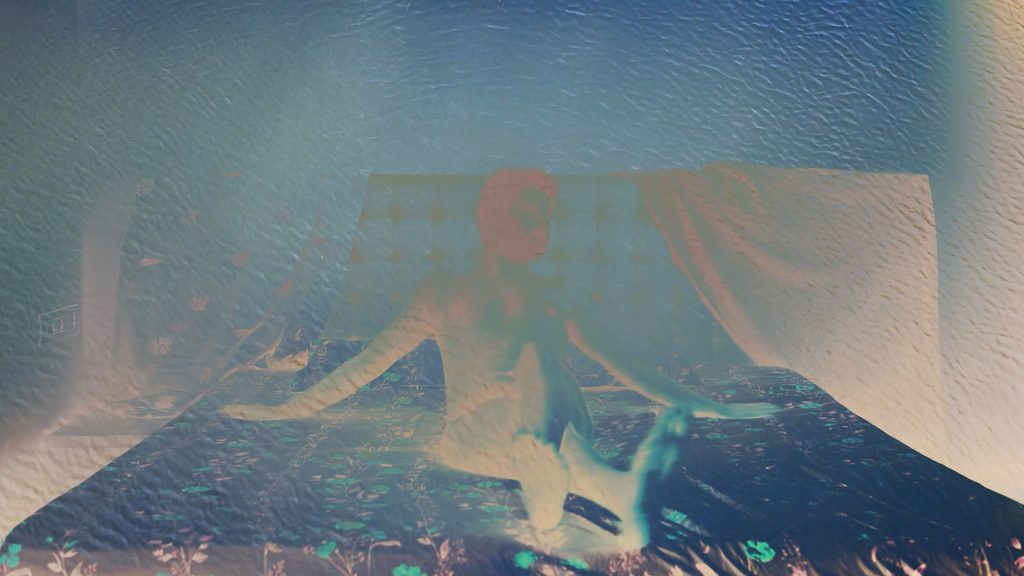
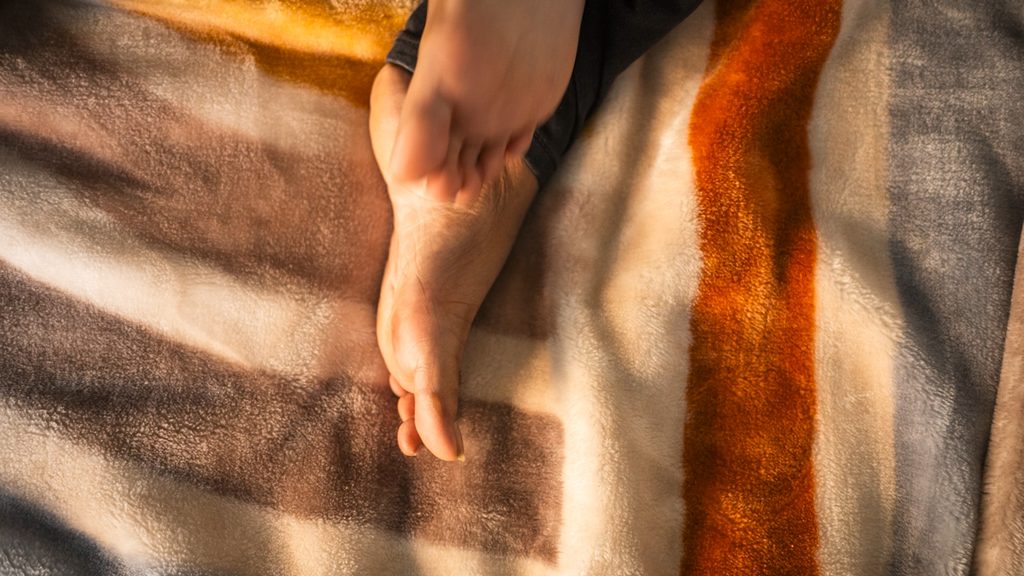
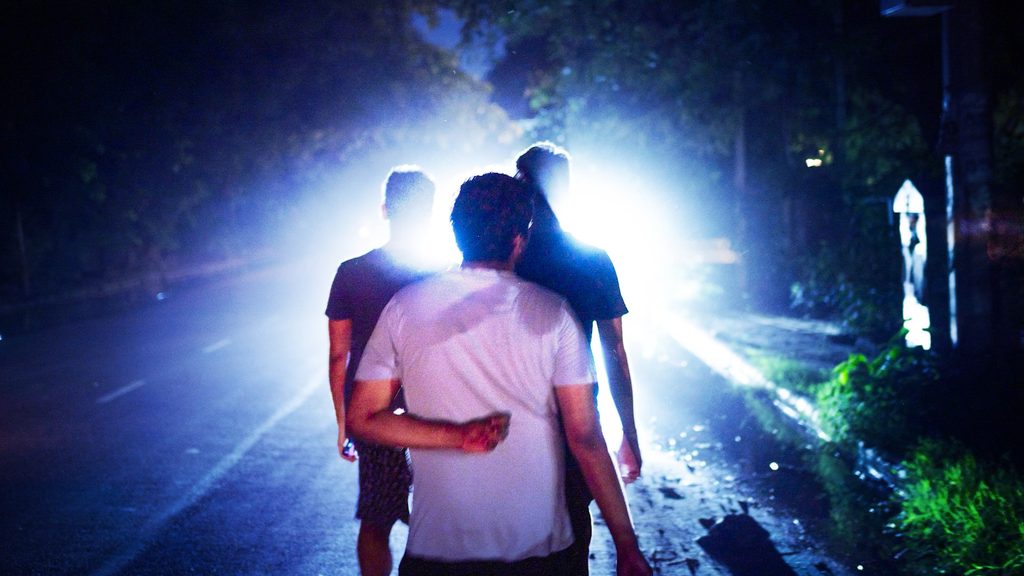
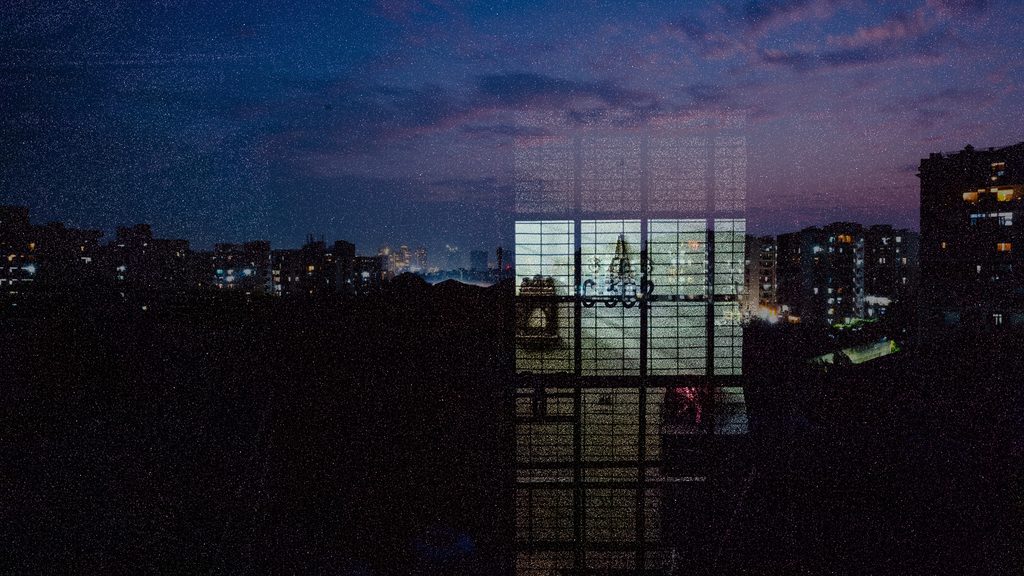
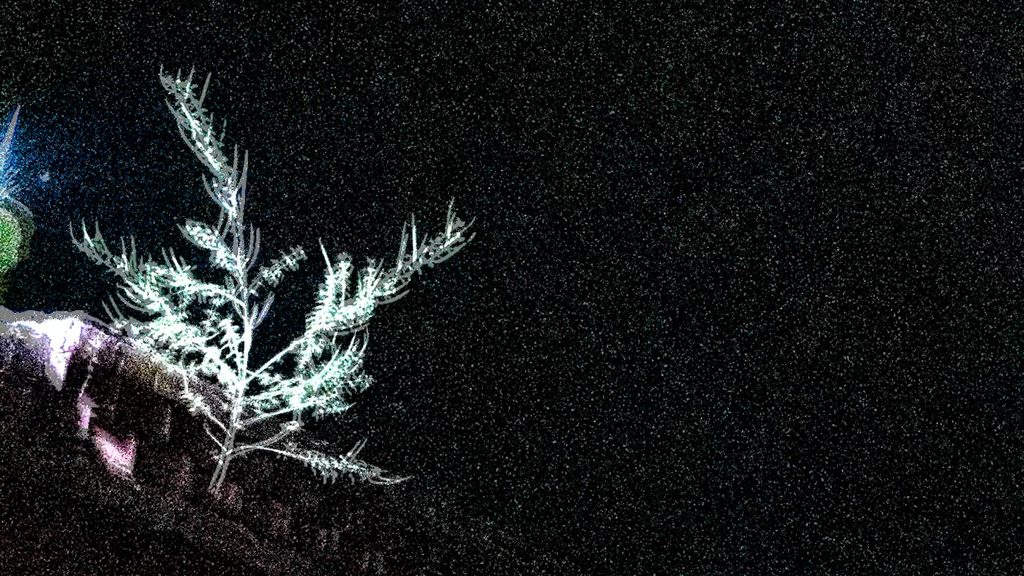
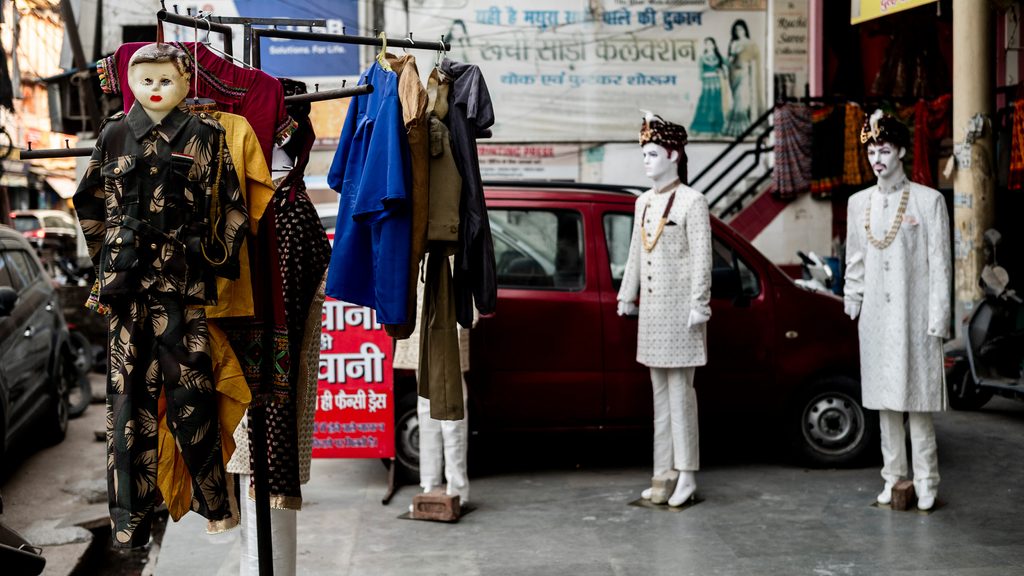
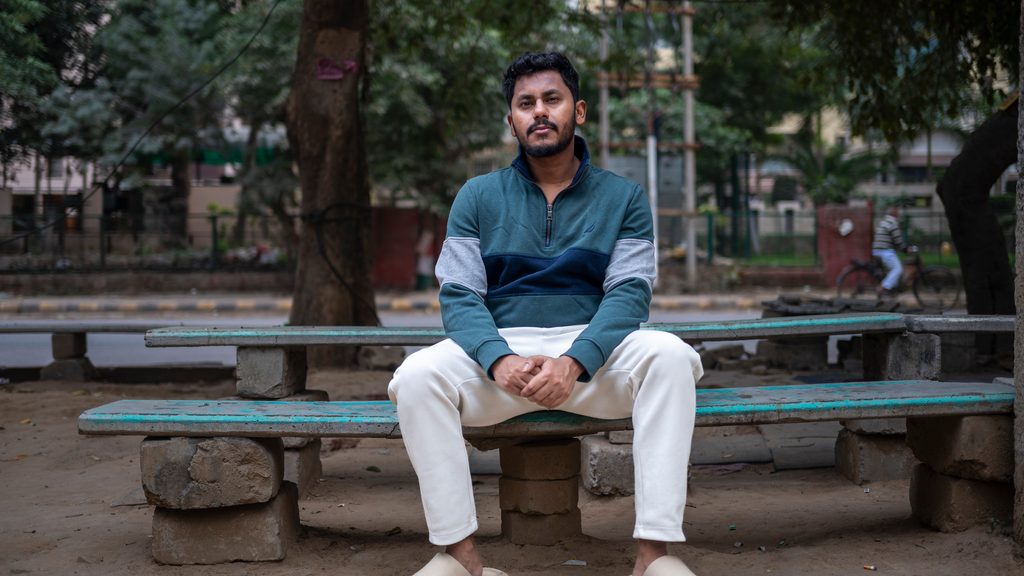
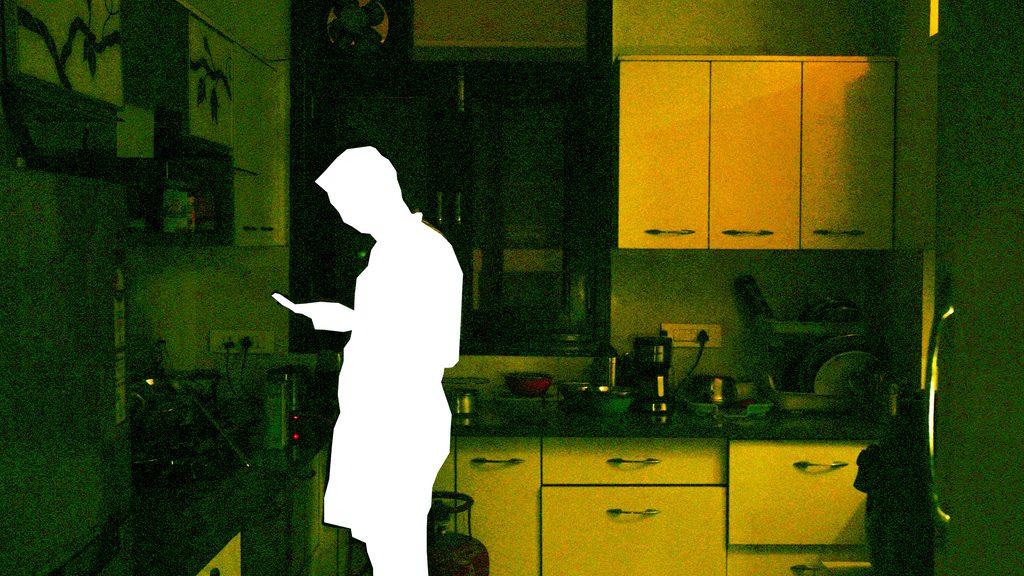
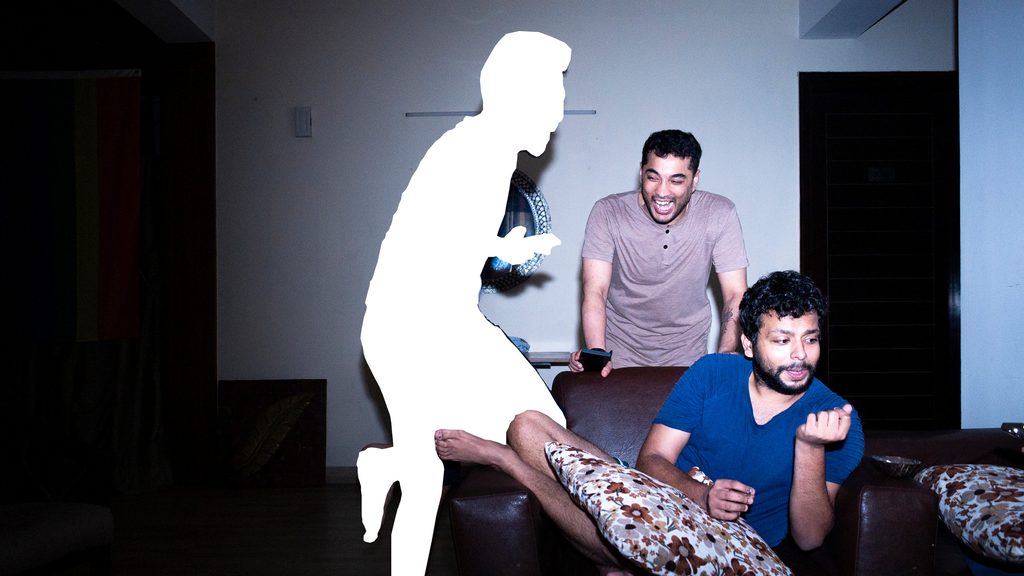
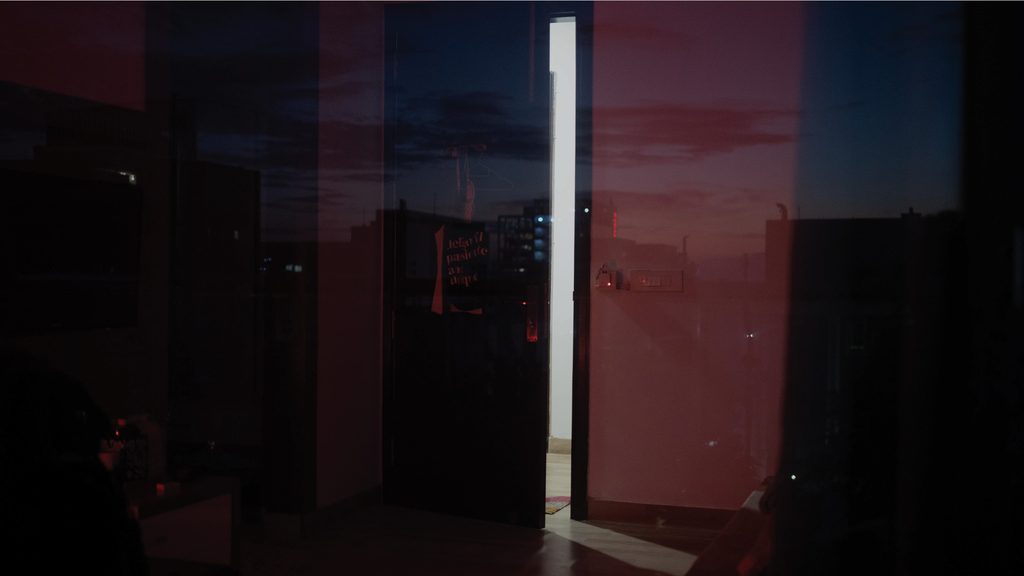
These images are fragments of a larger moving-image work that is still evolving, documenting not simply where queer people live, but how they make a home and, in doing so, make a family.

Dhananjai Pandey
Dhananjay Pandey is a photographer; his practice is grounded in identity, photography, and archival work, with an interest in how images shape the way people, places, and histories are understood. A visual artist based in Lucknow, India, with an M.Des in Photography Design from the National Institute of Design, Ahmedabad. His photographic and research practice often begins with personal and historical archives. For him, photography is not only a way of recording what exists, but a way of asking what gets to exist in the first place.