
Review: Mother Mary Comes to Me
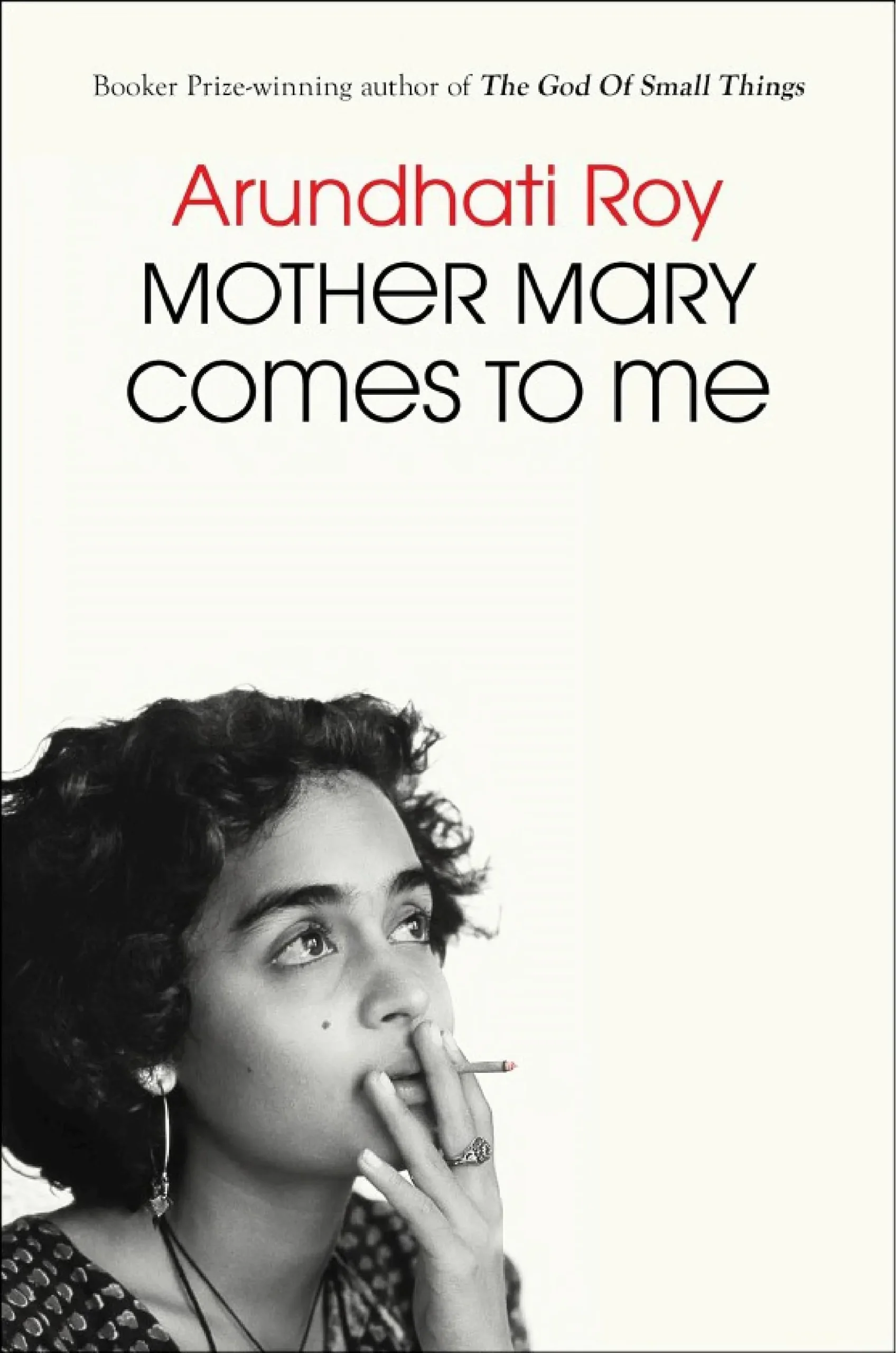
Arundhati Roy's memoir refuses decorum. Through Mary Roy's contradictions — love, damage, absurdity, and silence — Roy finds her liberation and her trap. A bitter pill that heals.
A Book That’s A Bitter Pill To Heal Our Wounds
The moral tendency that society inserts in people is to prevent them from expressing their personal extremities, and limit their honesty, which keeps them from navigating their own life choices and expression. This makes Arundhati Roy’s memoir all the more significant. Roy, who became iconic for her novel The God of Small Things, is here not writing fiction but rewriting herself — and in doing so, rewriting what a memoir can be.
Most writers while jotting down their thoughts in their memoirs frame their lives by keeping many elements in mind. They have to ensure that whatever they write represents them well. Roy, however, in Mother Mary Comes to Me, is strikingly different. She does not care for decorum. She is also the author of The Ministry of Utmost Happiness and The Seditious Heart — books that similarly refuse to stay within acceptable limits. This memoir is no different: it refuses to tidy itself up for the reader.
The erratic mother of her debut novel is a reflection of her own mother, who has inspired her in many ways to deal with her own demons. Mary Roy, as rendered here, is complex and contradictory — capable of great love and great damage simultaneously. Roy writes of her:
“my mother unloaded the burden of her quarrels and the daily dose of indignity that she had to put up with — from her in-laws, from my father — onto us, her children.”
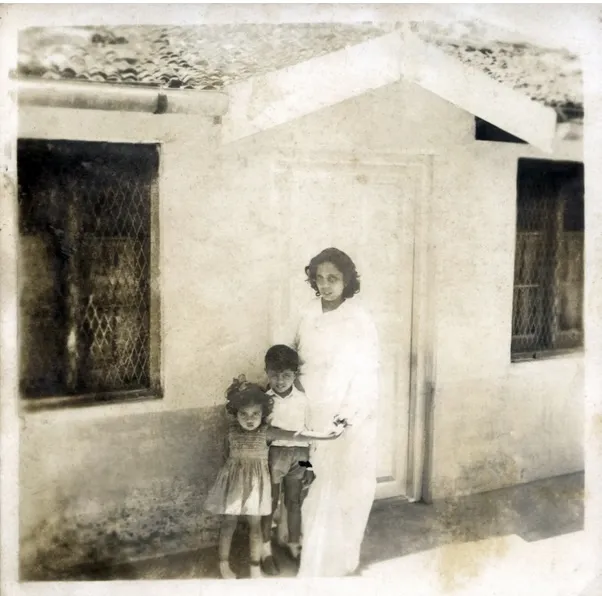
Image courtesy of Penguin Random House India
It is generally considered that silence is an inherent part of acceptance. But in the case of Roy, the act of dissent against her mother became her liberation — and her trap. She writes:
“my escape route always circled back to what I was trying to escape from.”
And then, with devastating precision:
“it felt as though she had cut me out – cut my shape out – of a picture book with a pair of scissors.”
Roy, in this book, does not refrain from identifying her courage with her mother’s perseverance. That being said, Mary Roy’s abusive behaviour is also a subject of scrutiny. The absurdity and the humiliation are rendered without flinching:
“This is a bra. All wear them. Your mother wears them. Your sisters will too soon.”

Image courtesy of Penguin Random House India
Sexual prowess is something every human being experiences, especially when that human being is full of loneliness. In the Indian society, women are always taught to suppress their sexual desires and keep their sexuality under wraps. Roy writes about this with the same unflinching clarity she brings to everything else in this memoir — the body, the longing, the shame that was never hers to carry.
Mother Mary Comes to Me is a reminder of what a memoir should be like and how literature can liberate us from our own wounds. The book is not a comfortable read. It is a bitter pill — and like all bitter pills, it is the kind that heals.

Kabir Deb
Kabir Deb is an author/ poet based in Karimganj, Assam. He works in Punjab National Bank and has completed his Masters in Life Sciences from Assam University and is presently pursuing his MCW from Oxford University, London. He is the recipient of Social Journalism Award, 2017; Reuel International Award for Best Upcoming poet, 2019; and Nissim International Award, 2021 for Excellence in Literature for his book ‘Irrfan: His Life, Philosophy And Shades’. He runs a mental health library named ‘The Pandora’s box to a Society called Happiness’ in Barak Valley. He reviews books, many of which have been published in magazines like Outlook, Usawa Literary Review, The Financial Express, Cafe Dissensus, Sahitya Akademi etc